HOME › COMMERCIAL PROPERTY

COMMERCIAL PROPERTY PHOTOGRAPHY

Office, retail, industrial, flex and apartment communities.
THE DIFFERENCE

A COMMERCIAL BUYER IS ASSESSING AN ASSET

Somebody buying a house is imagining their life in it. Somebody buying a building is working out whether the numbers hold.

That changes what the photographs have to do. Clear height has to read. Dock doors and the apron in front of them have to be legible. Column spacing, floor plate, power supply, parking ratio and truck access all have to be visible, because a broker will be asked about every one of them and a good photograph answers the question before it is asked.

Most commercial listings are photographed as though they were oversized houses, which is why so many of them sit on LoopNet looking like empty grey boxes.

WHAT I COVER

EVERY ASSET CLASS

OFFICE

Single suites, multi-tenant buildings, medical and dental, coworking and executive space.

RETAIL

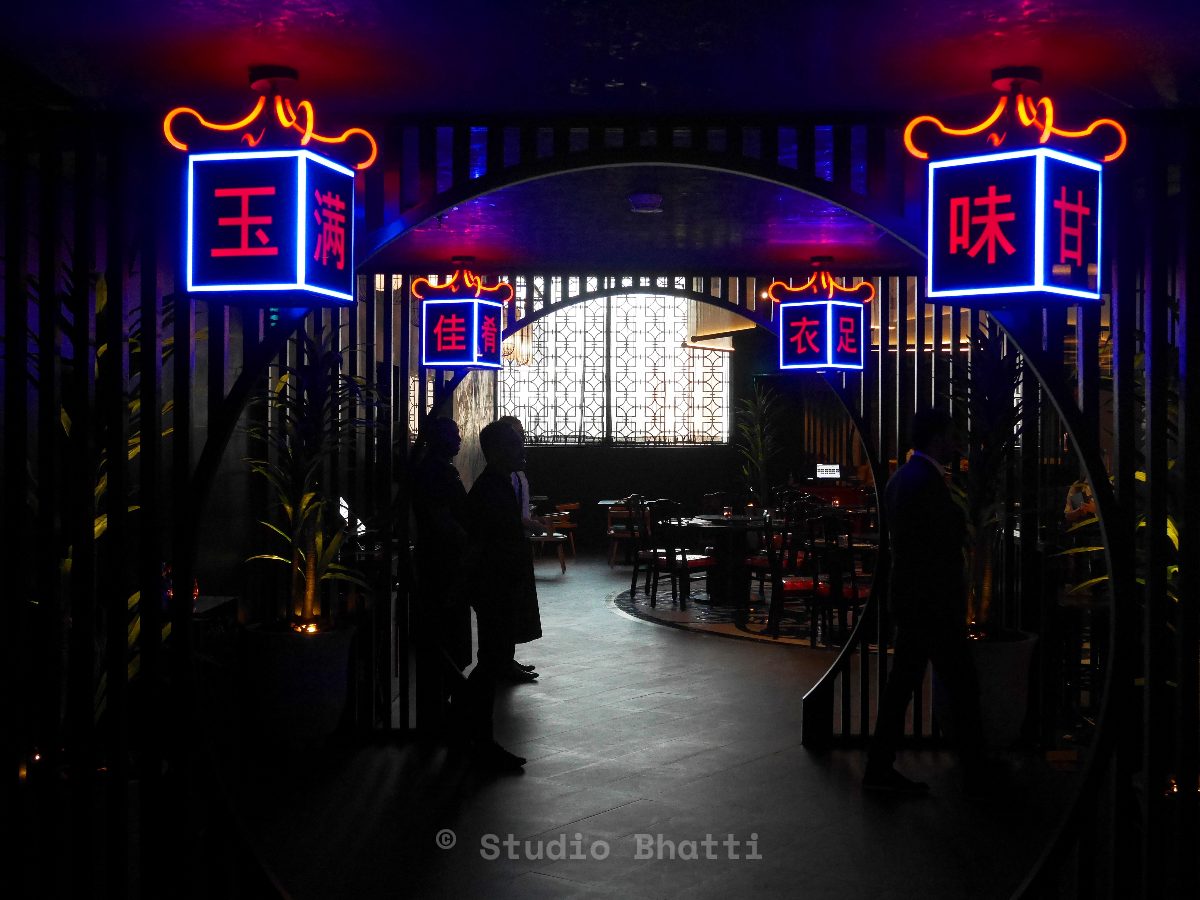
Standalone units, strip centres, restaurants, salons, gyms and showrooms.

INDUSTRIAL

Warehouse, distribution, manufacturing, cold storage, flex and yard space.

MULTIFAMILY

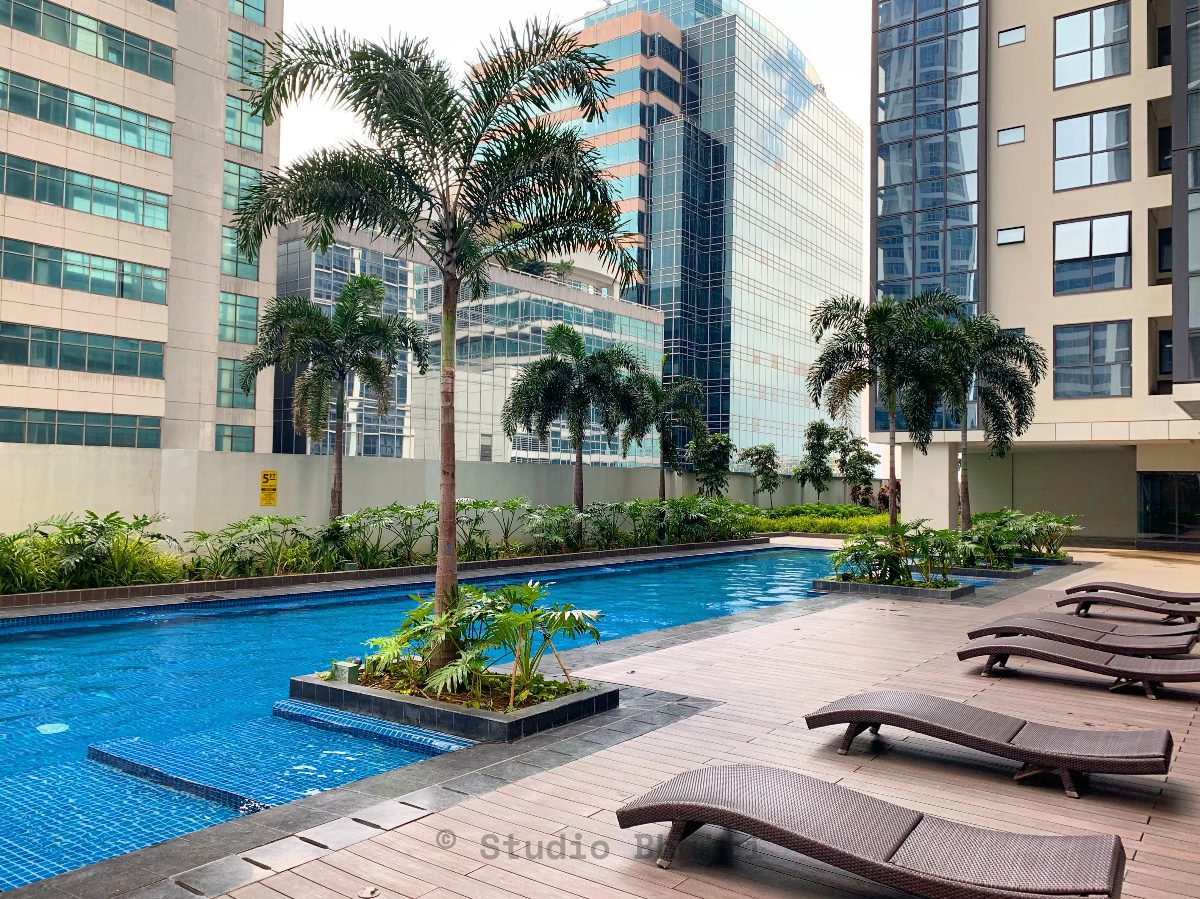
Apartment communities, model units, amenity spaces, common areas and grounds.

LAND AND DEVELOPMENT

Sites, approach and frontage, progress coverage through construction.

MIXED USE

Buildings that do not fit one box, covered as one property rather than several.

THE SECOND DELIVERABLE

OFFERING MEMORANDUM PACKAGES

A web listing needs a good set. An offering memorandum needs considerably more.

These are the documents brokers build around a listing, often fifteen to forty pages, printed properly and handed across a table to people deciding whether to spend several million dollars. The pictures have to survive being seen large, in print, by somebody paying close attention.

The package adds full exterior coverage from every approach, complete interior sequences rather than highlights, and the detail shots that carry a building's specification. It is quoted as an add-on to any of the tiers below.

WHO IT IS FOR

BROKERS, MANAGERS, OWNERS

WHERE THESE IMAGES GO

LoopNet, Crexi and CoStar, offering memorandums, pitch decks, email campaigns, brokerage websites and printed brochures. One licence covers every one of them, with no expiry and no further fee.

PRICING

PRICED BY ASSET, NOT BY ROOM

Editing and delivery included. Travel is charged separately at the published rates.
PropertyPrice
Retail, office suite, restaurant or medical, up to 5,000 sq ft$700
Multi-tenant office, showroom or flex, 5,000 to 20,000 sq ft$1,100
Industrial, warehouse or distribution, from 20,000 sq ftFROM $1,400
Offering memorandum image package, added to any tier$400
Apartment community, up to 50 units$900
Apartment community, 50 to 150 units$1,400
Apartment community above 150 units, or portfolioQUOTED

Square footage is taken from the marketing material or the tax record. If a property turns out to be larger than the figure given at booking, the higher tier applies.

SEE FULL PRICING

QUESTIONS

WHAT BROKERS ASK

What counts as a commercial property?
Office suites and multi-tenant buildings, retail units and strip centres, restaurants, medical and dental offices, industrial and warehouse space, flex and showroom units, self storage, and apartment communities. If it is marketed to a business rather than a family, it belongs here.
How is this different from photographing a house?
The buyer is different, so the pictures have a different job. A homebuyer is imagining living there. A commercial buyer is assessing an asset, which means clear height, dock configuration, column spacing, power, parking ratio and floor plate all have to be visible and legible.
What is an offering memorandum and do you shoot for one?
It is the brochure a broker builds around a listing, often fifteen to forty pages, printed properly and handed across a table. It needs more coverage than a web listing, including strong exteriors, full interior sequences and detail shots of the building systems. I shoot for it as an add-on package.
Which platforms are these images for?
LoopNet, Crexi and CoStar mainly, plus the broker's own website, the offering memorandum, email campaigns and pitch decks. The licence covers all of it with no expiry.
How long does a commercial shoot take?
A small retail unit or office suite is usually two to three hours. A multi-tenant building is half a day. A large industrial site can run a full day, particularly where the yard and dock apron need covering as well as the interior.
Do I need to empty the space first?
No, and often you cannot. Occupied buildings are photographed around tenants all the time. Tell me in advance which areas are off limits and which tenants have asked not to appear, and the shoot works around it.
Can you photograph a building that is still under construction?
Yes, and it is worth doing at more than one stage. Progress coverage is useful for lenders, investors and marketing long before the building is finished, and the early images become the story you tell when it leases up.
What about vacant and unfinished space?
Vacant space photographs well when it is lit properly, which is exactly where most listing photos fall down. Empty grey shell space shot on a phone looks abandoned. Shot properly it looks like opportunity.
Do you shoot aerials?
Not currently. Ground level coverage handles the great majority of commercial listings, including full exteriors, yards and approach shots. If a specific listing genuinely needs an aerial, I will say so rather than pretend otherwise.
How quickly do I get the images?
Within five to seven business days, and usually sooner. If a listing is going live on a fixed date, say so when booking and it gets prioritised. Rush delivery is available at two hundred dollars for every twenty images or part of that.
Can I use these images to pitch for the listing?
Yes, and many brokers do exactly that. The licence has no restriction on use, so images shot for one purpose can appear in a pitch deck, an offering memorandum and a LoopNet listing without any further fee.
Do you work with property managers as well as brokers?
Yes. Property managers need images for tenant marketing, for websites, for insurance records and for owner reporting, and that work tends to repeat annually rather than once per sale.
How is an apartment community priced?
By unit count rather than square footage, because the work is model units, amenity spaces, common areas and grounds rather than one large room. Nine hundred dollars up to fifty units, fourteen hundred for fifty to a hundred and fifty, and quoted above that.
Can you photograph several properties in one day?
Often yes, if they are reasonably close together. Each property is quoted separately, but scheduling them together saves you travel fees and saves me a second trip.
Do you sign a confidentiality agreement?
Yes, and it is common on off-market listings and pre-launch developments. Send it across before the shoot and I will read it and sign it.
READY WHEN YOU ARE

SEND ME THE ADDRESS

The property, roughly how big it is, and when the listing goes live. You will have a fixed price back within a few hours.