How many dishes can you photograph in four hours?
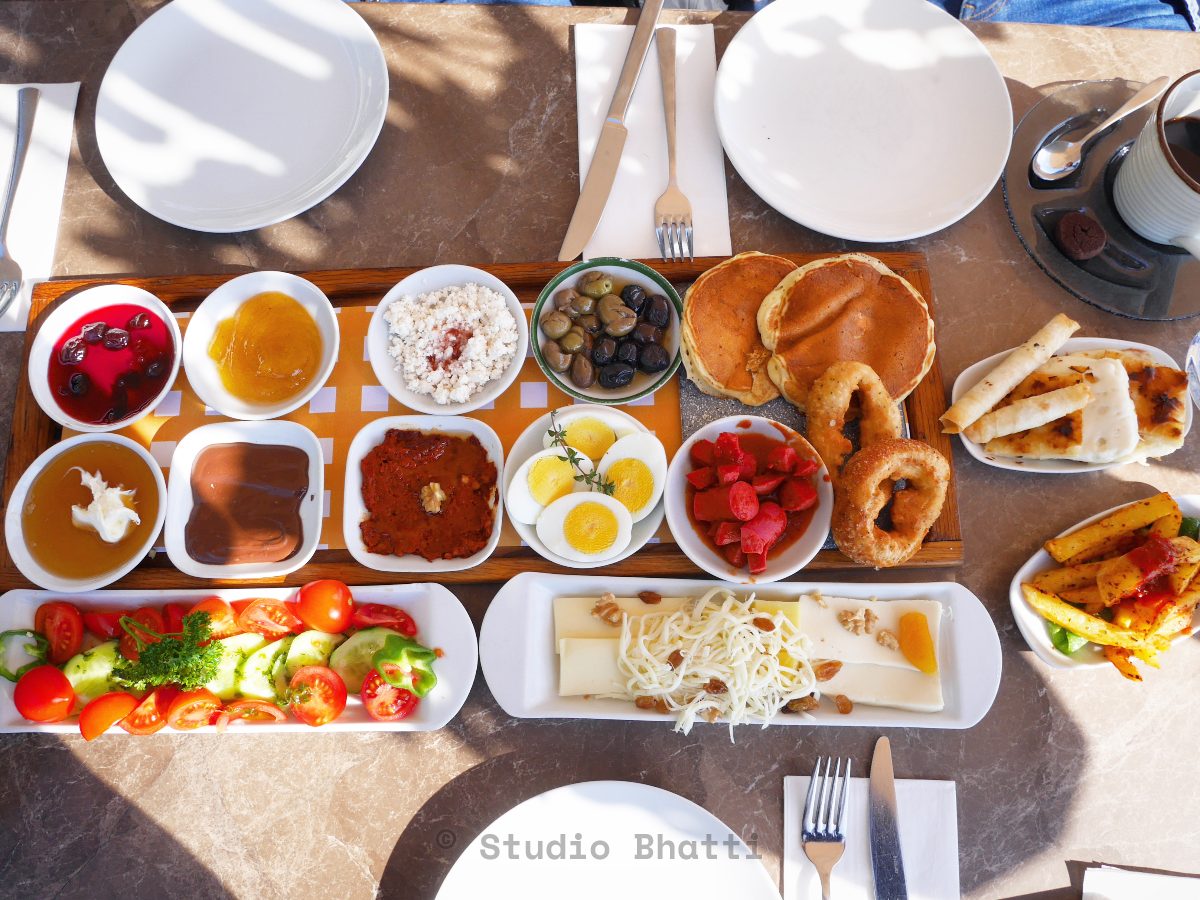
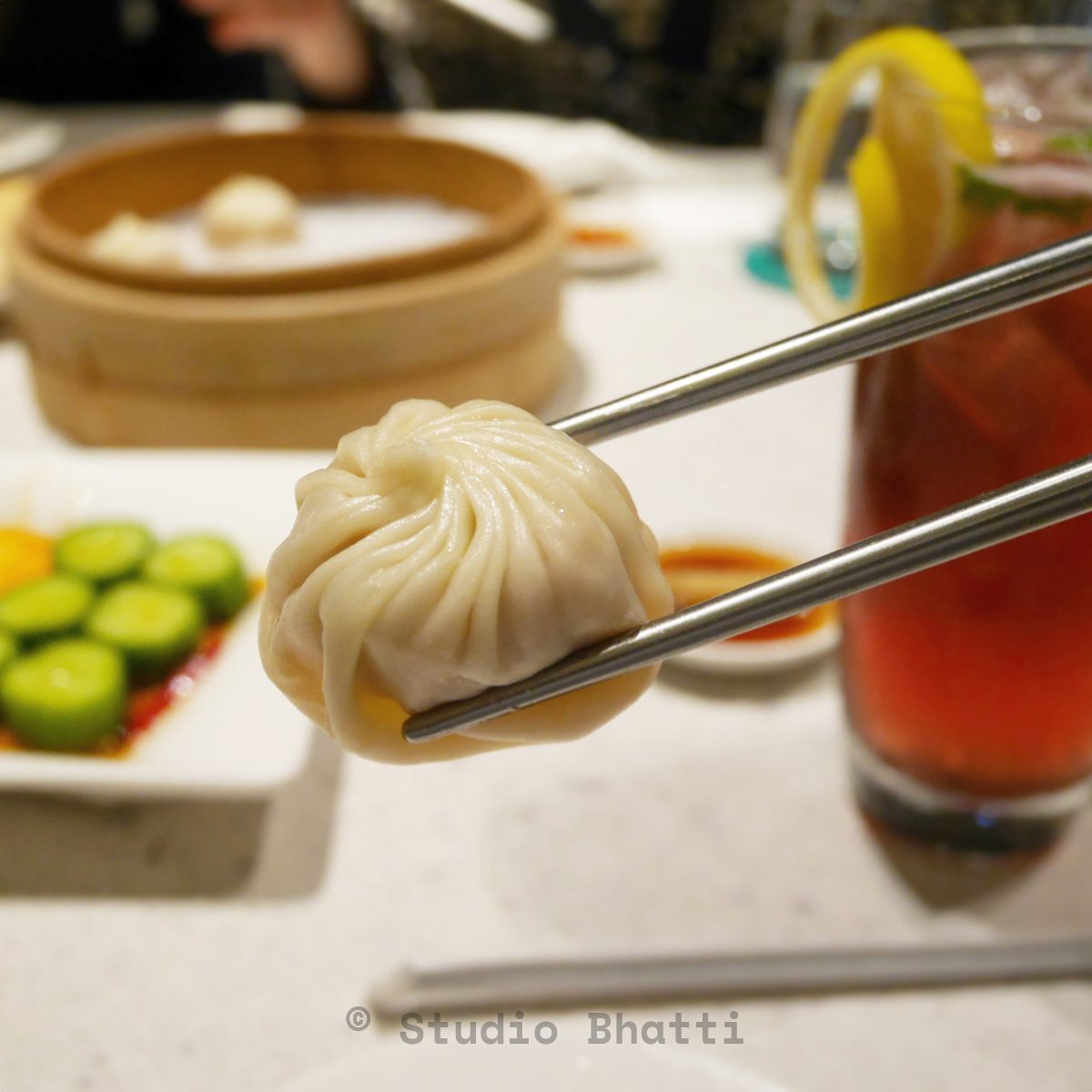
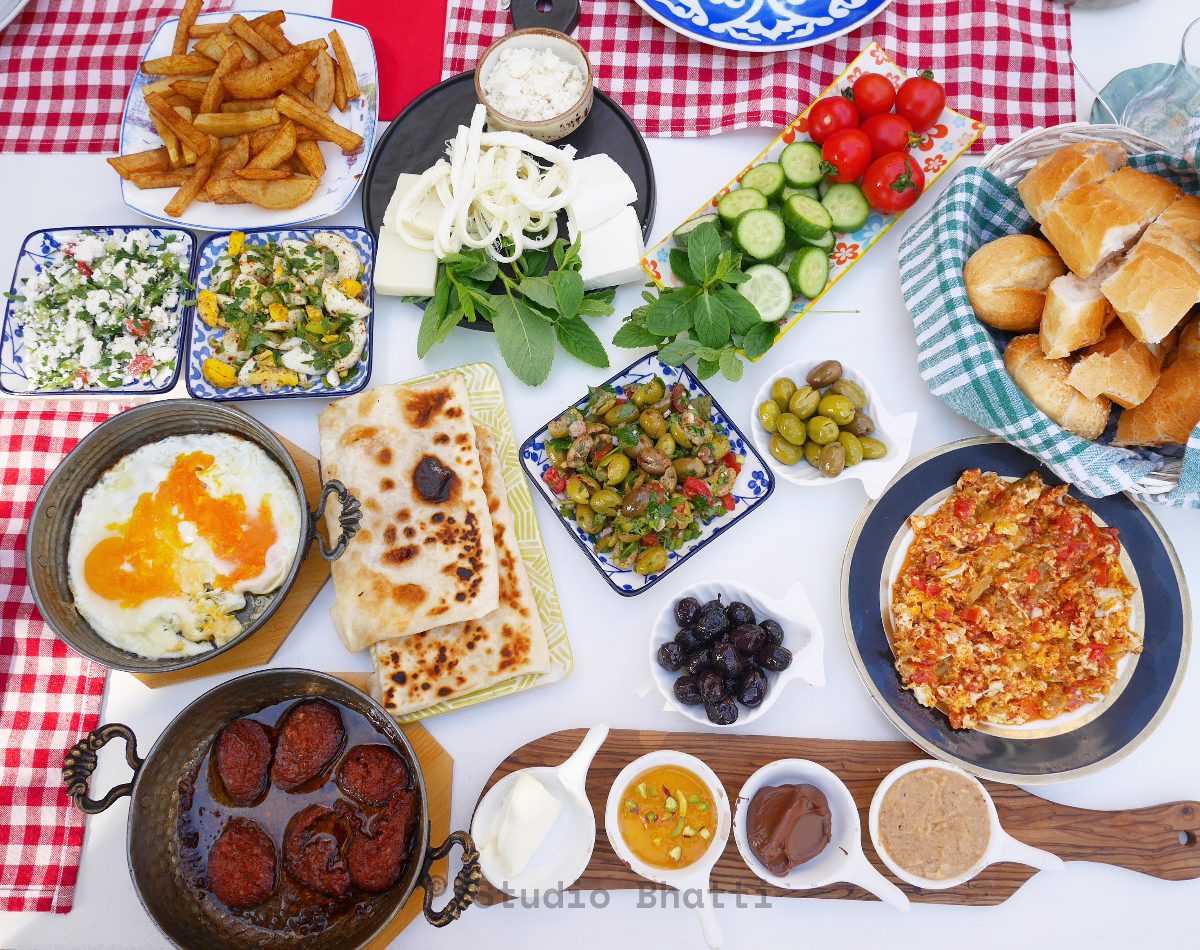
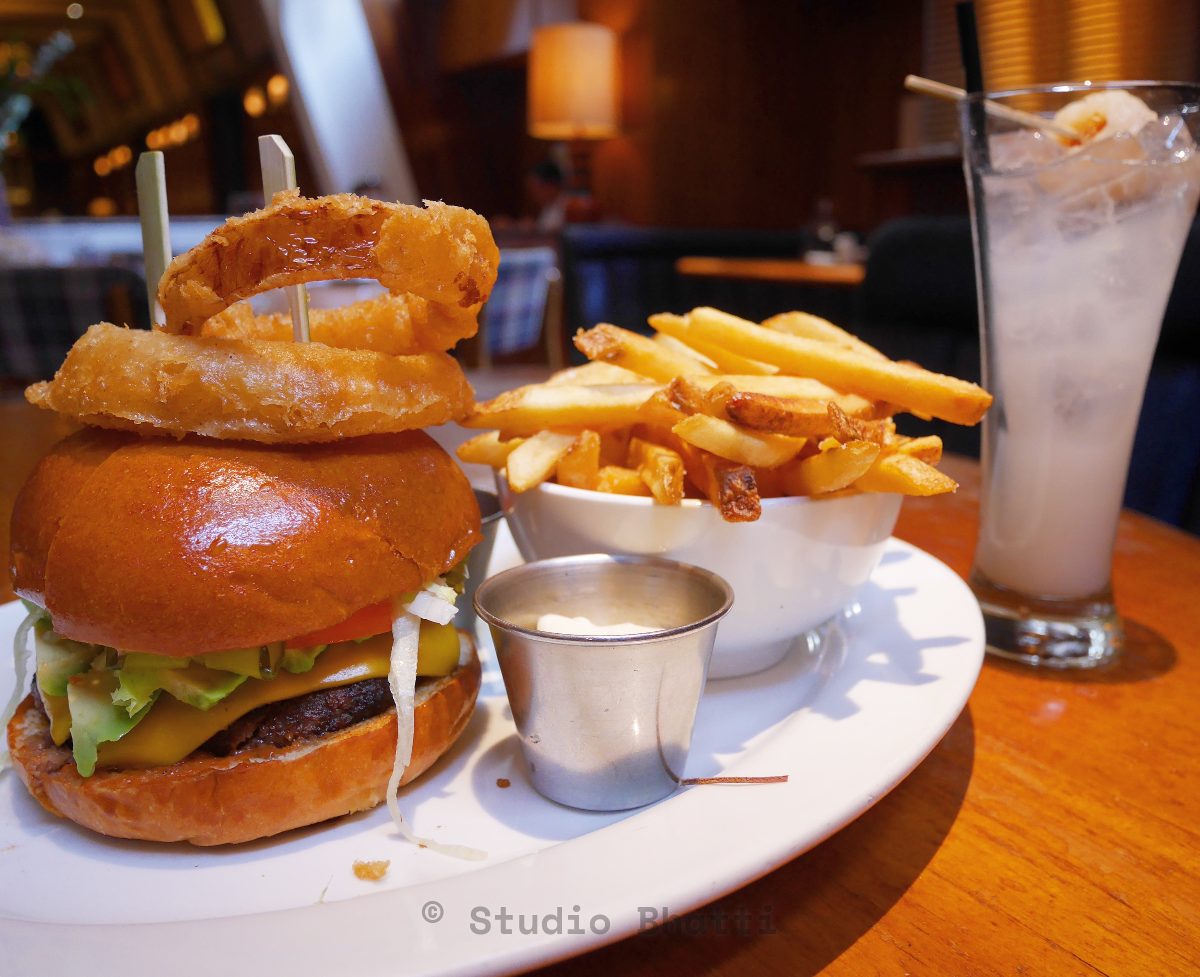
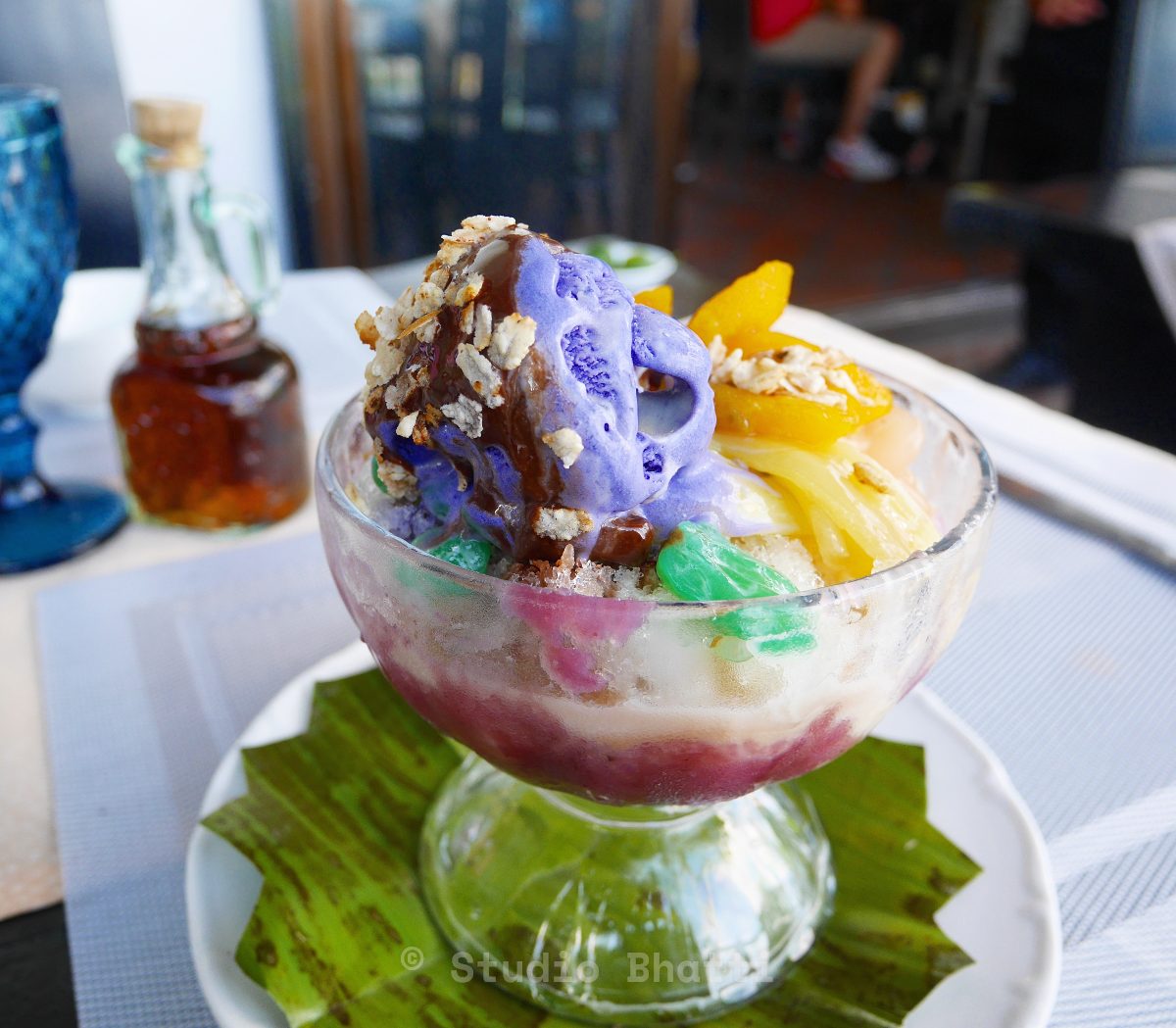
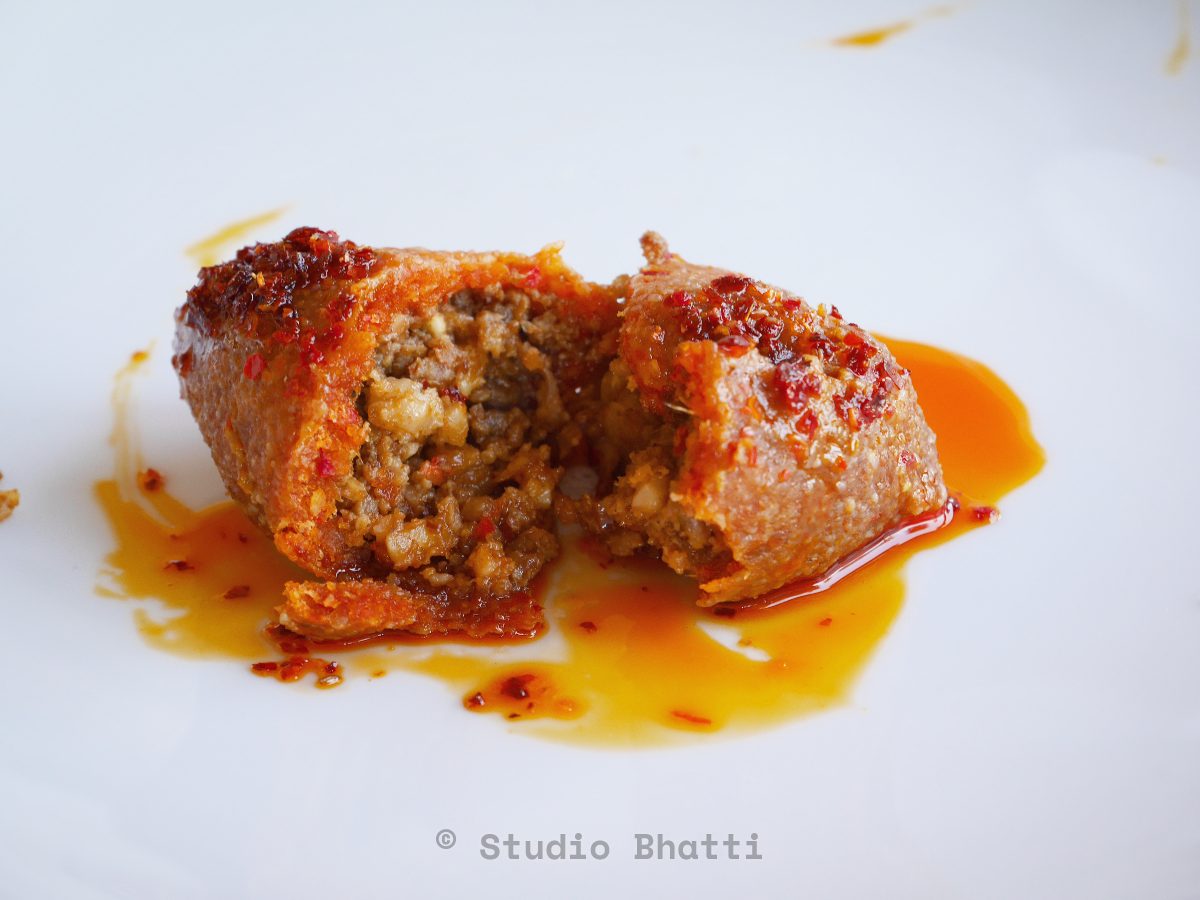
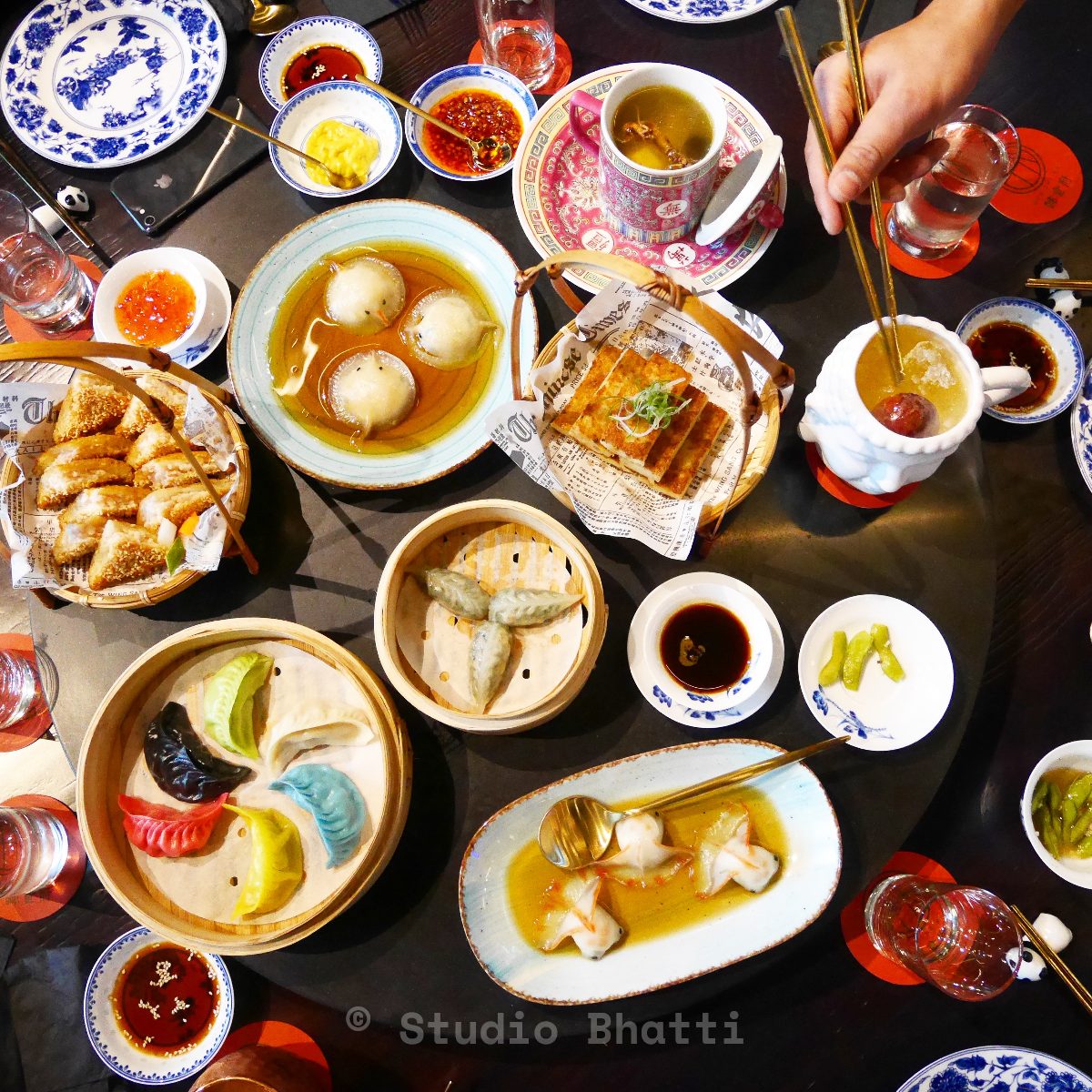
Between twelve and eighteen, depending on how quickly the kitchen can plate them. The limit is almost never the camera, it is how fast food arrives at the table.
Does the kitchen need to prepare everything fresh?
Yes, and it should be plated exactly as a customer would receive it. Food that has been sitting for twenty minutes photographs badly, and a dish styled to look better than the real one creates a problem when it arrives at somebody's table.
Do we need to close the restaurant?
No. Most shoots happen between service, usually mid morning or mid afternoon, using a table in a quiet corner. If you would rather do it before opening that works too.
What time of day works best for a restaurant shoot?
Whenever your kitchen is least busy and your windows are giving good light. Mid morning suits most places. I will bring lighting regardless, so a dark dining room is not a problem.
Do you photograph for DoorDash and Uber Eats?
Yes, and those listings have their own requirements. Cleaner backgrounds, tighter framing, and a specific shape, because the image gets cropped into a small tile on a phone.
Why do delivery photographs need to match the real portion?
Because the customer is comparing them side by side twenty minutes later. An exaggerated photograph generates refund requests and poor ratings, which costs far more than it gains.
Do you photograph drinks and cocktails?
Yes, and they are worth doing properly. Drinks are among the highest margin items on most menus and they photograph beautifully, but they need to be made fresh and shot quickly before the ice goes.
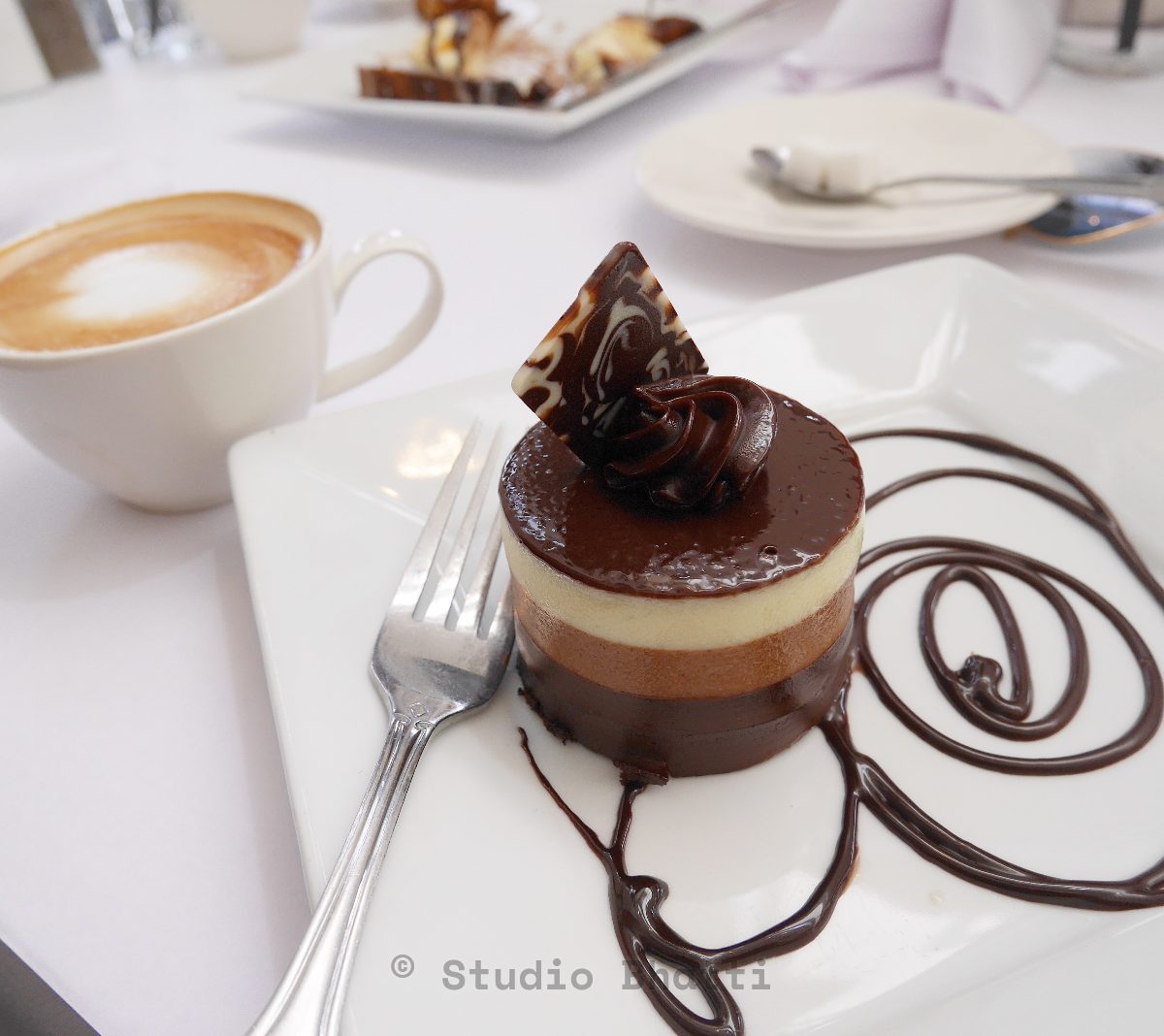
Do you photograph desserts separately?
They can be part of the same session or done on their own. Desserts hold up better under lights than hot food, so they are usually shot last.
Do you bring props and styling?
I bring the basics, meaning boards, linens and simple surfaces. Your own plates and glassware are usually better, since the photographs should look like your restaurant rather than a catalogue.
Do we need a food stylist?
For most restaurants, no. A stylist earns their fee on a packaging shoot or a cookbook. For a menu and a website, careful plating by your own kitchen and good lighting does the job.
Who plates the food?
Your kitchen, exactly as they would for a customer. I will occasionally ask for a small adjustment, a wipe of the rim or a sprig moved, but the dish should be yours.
Do you photograph the restaurant interior as well?
Yes, and it is worth doing in the same visit. The dining room, the bar, the frontage and the details are what a customer looks at when deciding whether to book, and one visit covers all of it.
Do you photograph the kitchen and the team?
Yes. Photographs of the people cooking do more for a restaurant's social media than another picture of a plate, and they are the images customers remember.
Do you photograph food trucks and market stalls?
Yes. They are harder because the light is whatever the day gives you, but the food and the setting together tend to produce livelier photographs than a dining room.
Do you photograph bakeries and cafes?
Yes, and they photograph particularly well. A counter full of pastries in morning light is one of the easier things to make look good.
Do you photograph catering and event food?
Yes. Buffets and grazing tables are usually shot just before guests arrive, when everything is complete and untouched.
How often should a restaurant refresh its photographs?
When the menu changes significantly, after a refit, and roughly every two years otherwise. Seasonal photographs also date quickly if the dining room has visible decoration in them.
Do photographs actually bring more customers in?
They decide whether somebody clicks in the first place. A customer choosing between three restaurants on a phone is comparing pictures long before they read a word, and that comparison happens in a couple of seconds.
What photographs does a Google Business Profile need?
The exterior so people recognise it from the street, the interior so they know what they are walking into, the food, and the team. Profiles with a good spread get noticeably more attention than ones with two blurry pictures.
Do you photograph salons and barbershops?
Yes. The space, the chairs, the products, the team, and the work itself. These are booked as an interiors session rather than a food one.
Do you photograph gyms and fitness studios?
Yes, and they need a slightly different approach because equipment and mirrors are difficult to light. Empty space photographed well is what fills a class.
Do you photograph medical and dental offices?
Yes. Waiting rooms, treatment rooms and the team. It is the sort of photography that quietly reassures a nervous patient before they arrive.
Do you photograph hotels and short term rentals?
Yes. Rental listings live entirely on their photographs, and the ones that get booked are almost always the ones that look bright, honest and easy to imagine yourself in.
Do you photograph retail shops?
Yes. Frontage, interior, displays and product details, usually in one visit.
What is the difference between this and commercial property photography?
Who it is for. This is a business photographing its own premises to attract customers. Commercial property photography markets a building to somebody who might buy or lease it, and you can read about that on the commercial property page.
How many images do I get from a four hour shoot?
Typically between twenty five and forty finished images, depending on how much of it is food and how much is the space. The number is confirmed in your quote.
Can we shoot the menu across several visits?
Yes, and it often works better. Splitting a large menu over two shorter sessions means the kitchen is not overwhelmed and the food stays fresh. Each visit is booked separately.
Do you photograph packaging and branded products?
Yes, where they belong to a food business. Bottles, jars, boxes and branded items are usually shot in the same session as the food.
Can we use these photographs for printed menus?
Yes. The licence covers print, your website, delivery platforms, social media and paid advertising, with no expiry and no additional fee.
Do you photograph while customers are in the room?
Only if you want them there. Some restaurants prefer a full room for atmosphere, which needs to be arranged in advance so people know they may appear in photographs.